Shipped, Filmed, Ghosted: The Dirty Secret Behind Brand Deals That Die Before They Ever Go Live
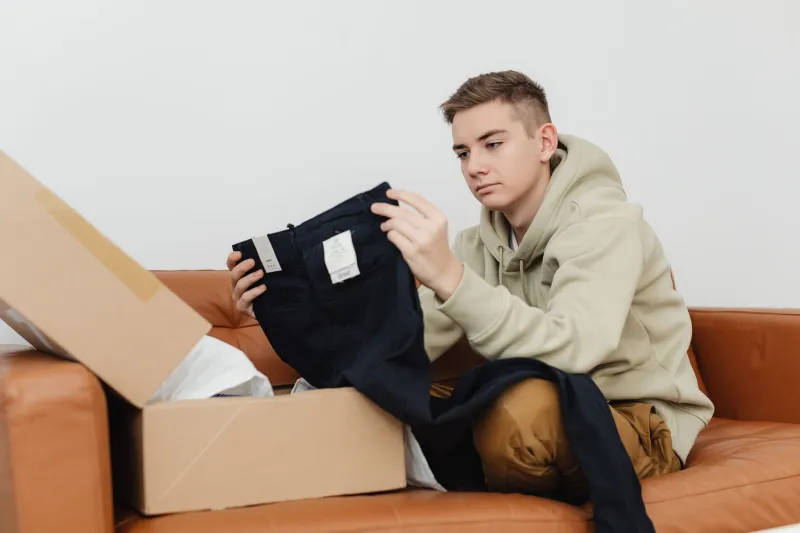
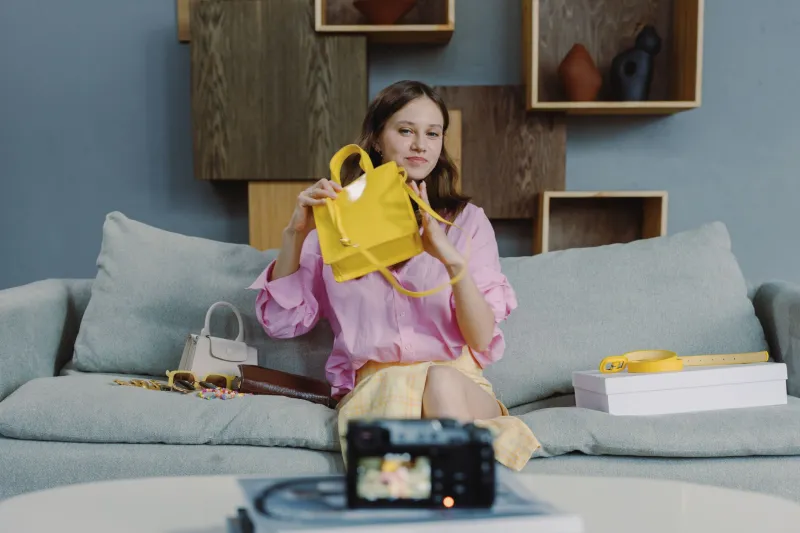
Somewhere in America right now, there is a creator sitting in front of a ring light, surrounded by bubble wrap and branded tissue paper, staring at footage they will never be allowed to publish. The product is real. The contract was real. The forty-seven emails confirming the shoot date were very, very real. The payment, however, has achieved a kind of mystical non-existence that would impress a philosophy professor.
Welcome to the unboxing that never happened — the fastest-growing genre in creator content that nobody will ever see.
The Setup: A Deal Too Good to Question
It usually starts the way every influencer origin story does: a DM, a pitch deck, or a breathless email from a brand manager who absolutely loves your content and wants to partner on something really exciting. The numbers look good. The product seems legit. There's a contract attached that runs twelve pages and contains the word "indemnification" enough times to make your eyes water.
You sign it. You get on a call. You get on another call. A PR box arrives at your door — sometimes small, sometimes the kind of elaborate, tissue-stuffed monument to packaging design that costs more to ship than most people's car payments. You film the unboxing. You edit it. You send it for approval. And then, like a Snapchat message from someone who definitely saw it, the brand just... disappears.
No explanation. No kill fee. No reply to your follow-up emails, which start professionally and escalate, over the course of three weeks, into something that would make a debt collector uncomfortable.
The Ghost in the Marketing Machine
This phenomenon doesn't have a catchy industry name yet, which is honestly impressive given how common it is. Creators across YouTube, TikTok, and Instagram have started whispering about it in podcasts, Discord servers, and the comments sections of videos that were, ironically, allowed to go live. The pattern is consistent enough to feel less like bad luck and more like a feature of how corporate marketing budgets actually function.
Here's the thing about brand deal money: it doesn't always come from a single, stable pot. Marketing campaigns get approved at one budget cycle, then quietly gutted when Q3 numbers come in sideways. A CMO gets replaced. A product launch gets delayed. A legal team flags something in the creative brief that nobody wants to explain to the creator. The campaign dies internally, but nobody sends the memo to the person who already spent two days filming in their kitchen.
The creator is the last to know, and the NDA they signed on page four ensures they stay that way.
NDAs: The Body Bag of the Creator Economy
Let's talk about non-disclosure agreements, because they are doing a lot of heavy lifting in this particular graveyard. Standard influencer contracts almost universally include clauses that prevent creators from discussing the terms of a deal, the existence of a deal, or — crucially — the death of a deal. Which means that when a brand ghosts a creator for thirty thousand dollars worth of deliverables, the creator often can't even post about it.
They can't name the brand. They can't show the footage. In some cases, they can't even confirm a partnership existed. The legal exposure is real, and most mid-tier creators don't have the budget to find out exactly how real it is in court.
So the content sits in a folder on a hard drive. The product collects dust on a shelf or gets donated to Goodwill where, in a deeply poetic twist, someone eventually finds it and unboxes it for free. The creator moves on, a little more broke and a lot more cynical, and the brand's marketing team has already pivoted to whatever activation is next on the calendar.
The Financial Body Count
The money involved here is not trivial. A mid-tier creator with a few hundred thousand followers might quote anywhere from five thousand to fifty thousand dollars for a sponsored unboxing or review campaign. Larger creators can push well past six figures for a full brand integration package. When these deals collapse after production has already started — or worse, after it's been completed — the financial damage is immediate and personal in a way that a corporate budget variance simply isn't.
Creators are, by and large, running small businesses. A ghosted brand deal isn't an annoyance. It's a missed rent payment. It's a camera upgrade that doesn't happen. It's two months of unpaid labor that you can't even write off cleanly because the contract terms are so tangled that your accountant starts charging you extra just to look at it.
And because the creator economy still lacks the kind of industry-wide protections that, say, a Screen Actors Guild member might have access to, most of these disputes end the same way: with a creator quietly absorbing the loss and never working with that brand again — which is a consequence the brand's marketing department will never feel, because that manager already left for a different company anyway.
The Few Who Fight Back
Not everyone takes the loss quietly. A small but growing number of creators have started consulting entertainment attorneys before signing anything, pushing for kill fees — a predetermined payment triggered if the brand cancels after production begins — and demanding partial payment upfront. Some have started going public in carefully worded ways, describing situations without naming names in ways that are technically NDA-compliant but make the situation unmistakably clear to anyone paying attention.
There are also creator advocacy groups beginning to push for standardized contract language that protects talent when a brand decides to pull the plug. It's slow going. The power imbalance between a solo creator and a multinational consumer goods company is not subtle, and the brands know it.
But the conversation is at least happening now in ways it wasn't three years ago, which means the graveyard is finally getting a few headstones instead of just unmarked dirt.
The Part Nobody Wants to Say Out Loud
Here's the uncomfortable truth sitting underneath all of this: some brands use influencer campaigns as free market research with no intention of ever publishing the content. Commission twenty creators to unbox a product, see what resonates in the raw footage, ghost everyone, and use the insights to inform your actual campaign. It sounds conspiratorial until you talk to enough creators and notice that the brands doing the ghosting are often the same ones launching polished campaigns a few months later that feel suspiciously familiar.
Prove it? Almost impossible. The NDA saw to that.
So the content stays buried. The invoices stay unpaid. The ring light gets packed away. And somewhere in a conference room, a brand manager is clicking through a deck for the next activation, already composing the DM that starts: We absolutely love your content and wanted to reach out about something really exciting.
The box is already in the mail. The ghost is already writing the contract.