72 Hours to Glory, 72 Hours to Dust: The Brutal Life Expectancy of a TikTok Trend

Photo: Don Ramey Logan, CC BY-SA 4.0, via Wikimedia Commons
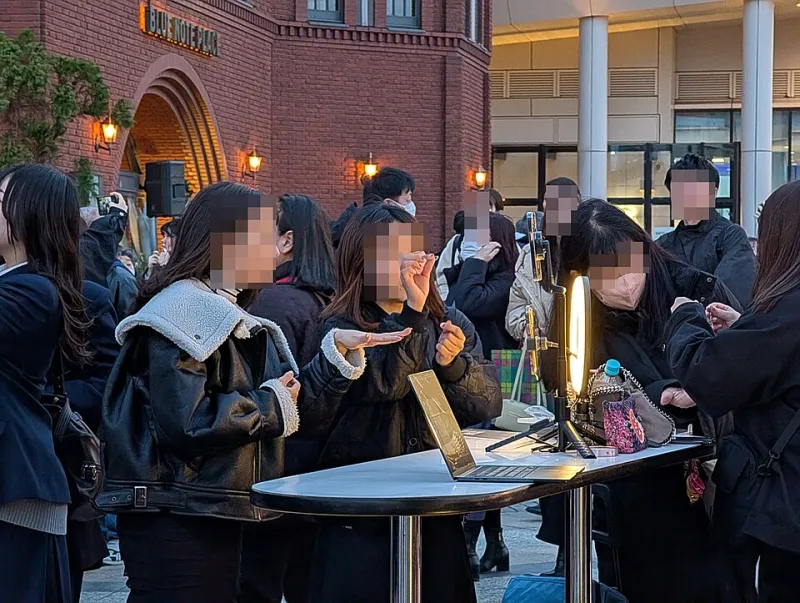
Somewhere right now, a 24-year-old in a ring-lit bedroom is filming their third take of a dance trend that was already dead before they hit record. They don't know this yet. The algorithm knows. The algorithm always knows.
Welcome to the TikTok trend graveyard — a place where sounds, challenges, and micro-aesthetics get buried so fast that the flowers on the headstone are still fresh. If you've ever wondered why your For You Page feels like a revolving door at a casino that never closes, buckle up. We're about to do an autopsy on the thing that's quietly consuming an entire generation of content creators.
The 72-Hour Window Nobody Talks About
Here's a number that should keep you up at night: according to multiple social media analytics platforms, the average TikTok trend peaks and begins its decline within 72 hours of going mainstream. Not three weeks. Not a month. Three days. That's roughly the same amount of time it takes most people to decide whether they actually like a new haircut.
The mechanics are brutal. A sound or format emerges organically — usually from a smaller creator who stumbles onto something genuinely weird or funny. The algorithm notices the engagement spike and starts pushing it. Mid-tier creators pile on. Then the big accounts see the numbers and jump in. By the time your aunt's coworker's daughter is posting her version, the For You Page has already moved on. You're not late to the party. You're cleaning up after the party. You are literally mopping the floor of a party that ended two days ago.
And yet — creators keep chasing it. Every single time.
The Psychology of Chasing Something That's Already Dead
So why do creators keep sprinting toward a trend that's already got one foot in the coffin? The answer is more complicated than "they're desperate for views," though, sure, that's definitely part of it.
There's a concept in behavioral psychology called variable ratio reinforcement — it's the same mechanism that makes slot machines so addictive. You don't win every time, but you win sometimes, and that unpredictability is crack for the human brain. TikTok trends operate on the exact same principle. Most of the time, jumping on a trend late gets you nowhere. But occasionally — randomly, inexplicably — the algorithm resurfaces something and you go viral anyway. That one-in-fifty shot is enough to keep creators pulling the lever indefinitely.
Creators who've been on the platform long enough to develop something resembling PTSD about it describe a kind of compulsive awareness of the trend cycle. "I'd wake up and immediately check to see what was moving," said one lifestyle creator with around 200,000 followers who asked to remain anonymous because, quote, "I don't want this to be my brand." "It felt less like content creation and more like day trading. You're watching numbers and trying to time a market that doesn't care about you."
That's a remarkably self-aware metaphor. And it's accurate.
The Pivot-Too-Late Hall of Fame
For every creator who caught the wave at the right moment, there are a dozen who showed up with their surfboard after the ocean had gone completely flat. The pivot-too-late phenomenon is one of the more quietly devastating things happening in creator culture right now, because it doesn't look like failure from the outside. It just looks like... content.
Consider the Bored Ape NFT aesthetic wave of 2021-2022. Dozens of creators built entire personas around that energy, only to find themselves stranded when the bottom fell out of the NFT market and TikTok's algorithm had already buried the sound they'd based their whole identity on. Or the "girl dinner" moment from 2023 — a genuinely funny, relatable concept that spawned hundreds of imitators who were still posting their versions weeks after the cultural conversation had moved on to whatever was next.
The creators who get hurt worst aren't the ones who try once and move on. They're the ones who restructure their entire content strategy around a trend, produce a week's worth of material, and release it into the void of an algorithm that has completely forgotten the sound ever existed.
Speed as a Feature, Not a Bug
Here's where it gets interesting: TikTok isn't broken. This is intentional. The relentless churn of the trend cycle is a feature of the platform's design, not a glitch in the matrix. Shorter trend lifespans mean more content gets consumed, more creators feel compelled to post, and more time gets spent on the app trying to catch up. The platform benefits from the chaos even when — especially when — creators don't.
This is what separates TikTok from every social platform that came before it. Instagram trends could survive for months. YouTube formats could sustain entire careers. TikTok operates on a metabolism so fast that it makes everyone feel perpetually behind, which is the most effective engagement strategy ever invented.
The question isn't whether the platform's speed is innovation or organized chaos. It's both. It's organized chaos marketed as innovation. And it's working spectacularly.
Can You Actually Win This Game?
Honestly? Some people do. The creators who've figured out TikTok's trend cycle aren't the ones chasing sounds — they're the ones creating them, or at minimum, being so embedded in the earliest stages of a trend that they're surfing the front of the wave rather than body-slamming the shore.
The other group that's surviving? Creators who've deliberately opted out of trend-chasing entirely and built audiences around consistency and niche identity. They grow slower. They care less about going viral. And they're still standing when the trend-chasers have burned through three content pivots and a mental health crisis.
But let's be real — neither of those paths is easy, and neither comes with a guarantee. TikTok has made it structurally difficult to build anything that lasts, because lasting isn't what the algorithm rewards. The algorithm rewards right now. It rewards the dopamine hit of this exact moment.
And somewhere in a ring-lit bedroom, someone is still filming that third take.
The trend is already dead. They'll find out soon enough.